
The new (Australian) ABC program, The Checkout, has featured a segment on the regulation of complementary medicines in Australia. By highlighting products that are claimed to help in weight reduction, the segment illustrates how the Australian Therapeutic Goods Administration is completely ineffectual in regulating this kind of pseudoscience. Read more…
 |
In science, talk of airing ‘both sides’ of an argument is usually a red flag. |
How to recognise this tactic
This tactic is promoted by peddlers of bad science and pseudoscience and is often taken up by journalists and politicians. In discussing an issue, they insist that “both sides” be presented. Many journalists routinely look for a representative of each “side” to include in their stories, even though it might be inappropriate. Groups or individuals who are pushing nonsense or marginal ideas like to exploit this tendency so that their point of view gains undeserved publicity.
According to a story in today’s Sydney Morning Herald, the Australian Medical Association has called for an end to government funding of chiropractors. As the doctors point out, taxpayers funds are being used to encourage people to use treatments which, according to the scientific evidence, are ineffective. The story explains that Medicare claims for chiropractic treatment of children are increasing rapidly. It tells of a mother who takes her children to a chiropractor for treatment of food allergies and behaviour problems. Read more…
 |
This is one of ScienceOrNot’s Where does creativity fit into science? series. See them all here. |
Imagine you are a scientist and you’re at a stage where you need to think about where your research is going. Perhaps you are just about to embark on a scientific career; or you’ve taken up a new leadership position; or your long-term research program has come to its end. Where to now? How can you use your creative abilities to come up with a new, productive direction?
|
Can scientists be trusted to tell you when they detect a red flag? |
How to recognise this tactic
This tactic is easy to spot. The perpetrators try to convince you that scientific knowledge has resulted in overwhelmingly more harm than good. They identify environmental disasters, accidents, human tragedies, hazards, weapons and uncomfortable ideas that have some link to scientific discoveries and claim that science must be blamed for the any damage they cause. They may even go so far as claiming that scientists themselves are generally cold, unfeeling people who enjoy causing harm.
In case you’ve missed it: the latest version of Sense About Science’s “Celebrities and Science” is out. Do you know whether it’s OK to pee in the pool?
 |
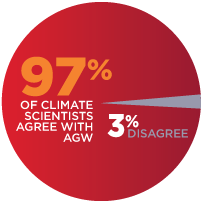
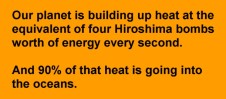
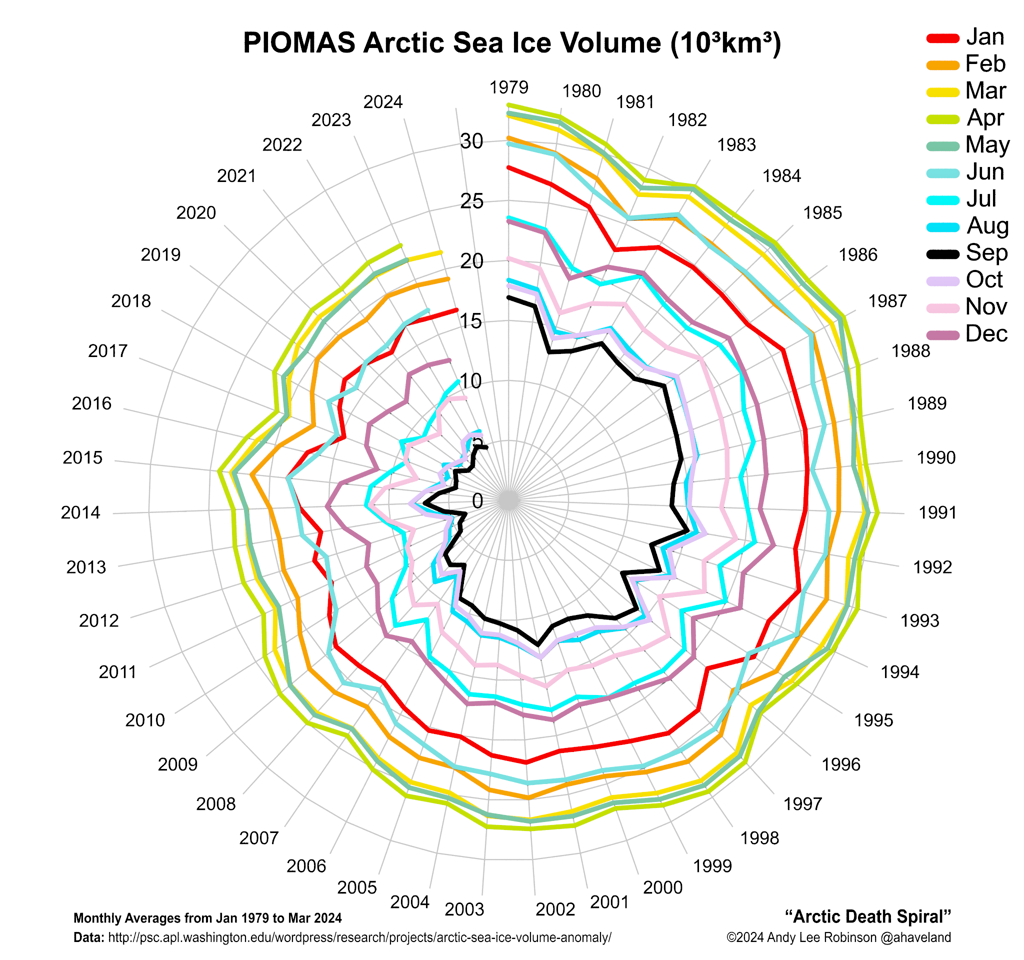
Let’s check the science: Is it true that human activity is driving serious global climate change? |
I’ve been aware of the potential dangers of global warming since the late 1970’s. Since that time, I’ve seen the scientific evidence for the consequences of burning fossil fuels accumulate and I’ve become increasingly concerned. But in the media, I encounter people (admittedly none of them with any expertise in the field), who vehemently deny that the situation exists. They do not convince me, but they make me wonder how anyone can hold such positions in the face of overwhelming evidence. In an attempt to appreciate the magnitude of their foolishness, I think it’s time to remind myself how convincing the evidence for human-induced climate change is.
Adam Morton, Ben Cubby, Tom Arup and Nicky Phillips have an almost excellent article, “Six degrees of devastation” in today’s Sydney Morning Herald. It describes the type of climate that could be seen in Australia by the end of the century, it’s been written after much research and it’s true to the science. There’s no attempt at the type of false balance that so often mars climate-related stories.
Unfortunately, in the print version (it’s obviously been removed from the online version), the authors blow their credibility right at the start by committing a schoolboy error in the second paragraph: Read more…
|
I know that this tactic is a red flag because no-one can prove that is isn’t. |
How to recognise this tactic
This tactic is usually used by someone who’s made a claim and then been asked for evidence to support it. Their response is to demand that you show that the claim is wrong and if you can’t, to insist that this means their claim is true.




 Science or not?